
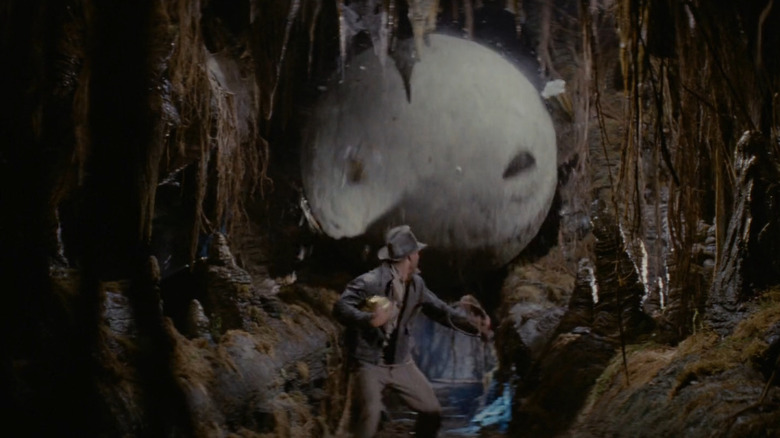
Traps have always been one of the primary options monsters have for confronting the player characters. It seems only fair then, that the players should get access to their own traps. Many groups relish the idea to set up an ambush, yet 5e lacks any concrete rules for allowing the players to prepare for these ambushes with traps.
To elevate this problem, I have built a simple reference guide for player-built traps. Due to the circumstances in which traps are typically utilised, the primary currency for these traps is time. More powerful traps require more time to build and failure can result in a painful waste of limited time. The traps also require the materials needed to construct them. Some of these are readily available to most characters, some can be gathered and prepared on location, and some can be purchased from most merchants. Some of the traps failing to be successfully built breaks the materials, but in most cases, the party just lose the time and can try again in a different location.
To successfully build one of the trap options presented below, a character must make a Survival skill check or a relevant Tools check. The roll then accounts for any minuses due to optional trigger types and compares their roll result to the scaling results chart. In the event that a player chooses to use the Aid action, for the purposes of this build check, it does not give advantage. It instead provides a stacking +2 to the roll. This allows multiple players to work together on one trap, or split off and build multiple traps at the same time.
It is possible for a trap to fail completely due to a very low roll, yet instead cases, the trap will have scaling successes. Most traps have many tiers they can be built at, with the most successful rolls resulting in traps that deal higher damage and have additional, severe effects.
Below you can download a pdf with the rules for 9 common traps you players can choose to implement. It is advised to read the while document as the rules for saving throws, perception checks and poisons are found at the end.
 Veneon Reforged
Leave a comment